Let’s Q&A! Reflections and Wrap-Ups: Advertising and IMC in the Fashion Industry
- Erica Lim
- Nov 21, 2023
- 5 min read

I am about to sound like a total cliche right now, but boy, does time fly. I started this blog 10 weeks ago on September 16, when I published “Hello World” -- read here! Since then, we’ve talked all about advertising and IMC and finding real life examples in the fashion industry. From Coco Chanel’s LBD to Jacquemus’ crazy marketing campaigns… We’ve definitely covered a lot, but there is still so much to discover. The amount of advertising that the fashion industry does is insane, and there are new ideas coming out every second.
To celebrate 10 weeks of RunwaytoRevenue, I wanted to do a Q&A to wrap up and reflect on our learnings and insights altogether.
In a highly competitive fashion market, how can businesses differentiate their advertising strategies to ensure that their brand stands out, and what role does IMC play in achieving this?
Unique brand storytelling, emphasis on distinct brand values, and leveraging innovative marketing channels. IMC plays a crucial role in this differentiation by ensuring a cohesive and unified message across various channels, reinforcing the brand's identity and creating a memorable and consistent customer experience. Companies take time to establish their brand, and it is usually a work in progress. Once you have made a mark on your brand and start to receive recognition, you want to ensure the degree of attachment consumers have with your brand (brand loyalty), to stay curious about your competitors, ensure you have a strong identity, and keep evolving! Dior does this super well, which explains why they are 2022’s brand of the year!

Were there any concepts that made you see a campaign in a new light?
The “Big Idea” and Ogilvy’s five point checklist definitely made me see not just a campaign in a new light, but it really enlightened me overall. It’s something that will always be in the back of my mind whenever I see a campaign. I have subconsciously thought, “Hmm.. could this be used in 30 years?” It has also made me question if a campaign needs to be “a big idea” in order to be successful. I don’t think so. I think ideas can be great and can succeed, even if they don’t hit all five points on the checklist. They might not be relevant in the future, but that isn’t every campaign’s goal. Some campaigns just need to do well in the present moment, and can be disregarded later on. For example, brands are focusing on black friday and holiday sales right now, so whether or not their campaign will “do well in 30 years” is not their main priority.
How can we craft compelling narratives in advertising to not only showcase products but also establish an emotional connection with consumers and build brand loyalty?
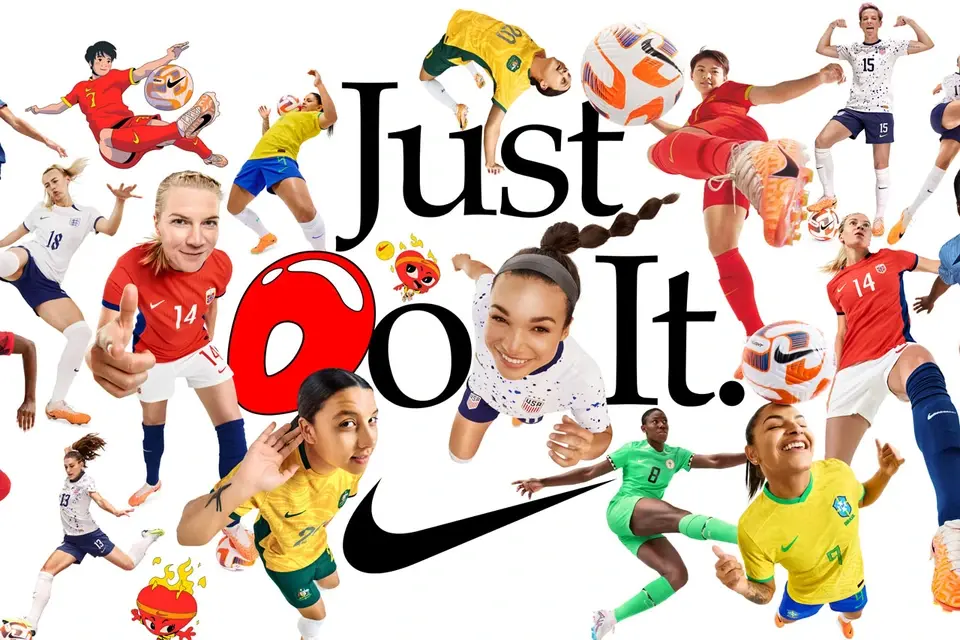
To create compelling narratives in advertising, you have to go beyond product features and benefits. Start by understanding your audience's aspirations, challenges, and emotions. Then you’d want to develop a storyline that taps into these insights, showcasing how your product enhances their lives or solves a problem. Think about incorporating characters and situations that consumers can relate to, and let them see themselves in the narrative. Consistency across various channels and campaigns is important because it ensures a unified brand message, contributing to long-term loyalty by making your brand a meaningful part of consumers' lives! Nike does brand loyalty super well. In fact, they’ve managed to build a “Nike Loyalty Scheme” with features and perks that make people crave more!
How have businesses shifted their approaches to meet the evolving needs and desires of consumers in the fashion market?
The Business of Fashion has been in the game for many years. And overtime, fashion businesses have transformed to meet evolving consumer needs by prioritizing sustainability, embracing e-commerce, and personalizing experiences. Now more than ever, businesses emphasize inclusivity, adopt direct-to-consumer models, integrate technology for virtual experiences, and engage communities. Ethical practices are crucial, and adapting to remote lifestyles has influenced a shift towards comfortable and versatile clothing. These changes reflect a broader industry response to consumer demands for transparency, individualization, and a more conscious approach to fashion. Aritzia used to be an outerwear-focused brand, and has now turned into a leader in elevated basics and essential clothing for a huge market. Their product catalogue has expanded exponentially, having not just outerwear but even loungewear, office wear, accessories, athleisure, and more.

How can emerging technologies such as augmented reality (AR) or virtual reality (VR) be incorporated into fashion advertising campaigns to enhance consumer engagement and create memorable brand experiences?
AR and VR have both been incorporated into many fashion advertising campaigns today, to elevate consumer engagement. AR has enabled virtual try-ons and allow customers to visualize products in real-time. WEARFITS lets apparel producers & retailers create a stunning digital shopping experience by modern 3D visualization and size fitting. VR can enhance shopping experiences with interactive, immersive environments or virtual fashion shows. Take the Gucci Virtual 25 as an example – a striking pair of neon high-top sneakers that can only be worn for photos, using augmented reality. When purchased within the Gucci app, the sneakers are also available to download as an in-game clothing add-on for users’ avatars in the online game Roblox, as well as on the online social platform, VRChat.

These technologies not only provide a novel and entertaining experience but also create lasting brand impressions by making the shopping process more interactive and personalized, making the customer journey much more fun and engaging! (And great for sales too)
What surprised you the most? And how have you grown as a marketer?
I was surprised to find out that traditional media is still very much applicable and relevant! Perhaps in certain industries more than others, but the fact that TV ranks the highest in both attention and exposure in advertising effectiveness, and radio delivering greater weekly reach than Spotify across all demos really shocked me. This is one of the many ways I believe I have grown as an aspiring marketer, alongside other areas such as:
Strategic Thinking: I have achieved a better understanding of the importance when it comes to strategic planning and coordination of various marketing channels. I developed a holistic view of marketing, which has allowed me to come up with more cohesive and effective ideas.
Message Consistency: The past 10 weeks, I found myself really emphasising on maintaining consistent messaging, not just with the lessons learned, but on this blog specifically. I see the importance in creating unified narratives in not just fashion marketing, but marketing in general if I want to reinforce brand identity.
Creativity and Innovation: All the research has exposed me to innovative and creative campaign strategies. This has fueled my ability to think more creatively than before and come up with fresh ideas for my blogs, and fashion marketing initiatives generally.
Thanks for tuning in everyone, until next time!


Comments